CY-20 Cheap Flash Teardown

Following up on my DIY slave flash project, I thought I’d get something more powerful than that tiny Xenon bulb. I bought the cheapest flash on DX.com – the CY-20. It has a considerably large bulb and as a plus, it has what looks like a tiny window on the front for automatic output control. The main reason for getting this was the 2.5mm jack on the back of the flash that allows it to be externally triggered.

retaining clips on the CY-20

Opening it was easy. Remove the 4 screws that secure the hotshoe mount and go round the casing to release the retaining clips. Surprise surprise, take a look at the sensing window.

CY-20 open, showing the decorative

Continue reading

Decoding BCARD Conference Badges

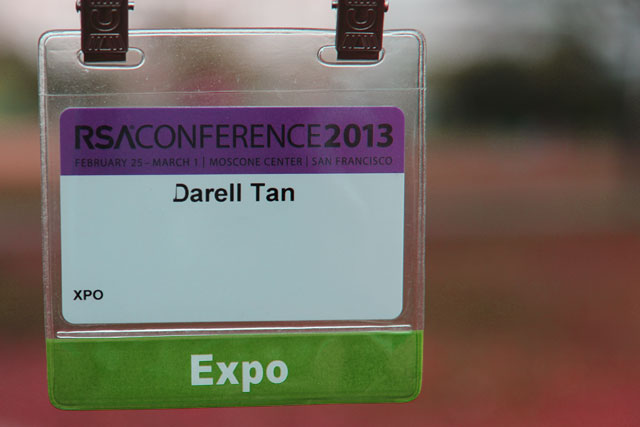
Last month, I had the opportunity to fly halfway around the world to attend RSA Conference 2013. Everyone was given a lanyard and badge which contains your information entered during registration. When you visit booths, they can then scan your badge to collect your information and follow up by sending you spam.

RSA conference pass

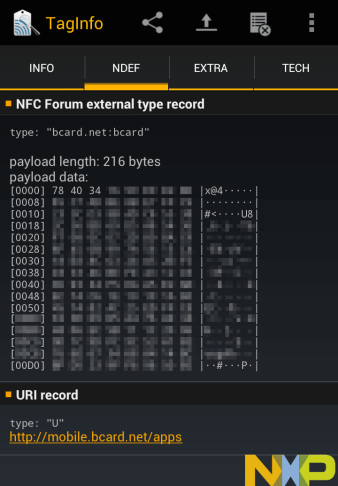
The scanner varies across different booths, but mostly it’s an Android device that ran a custom software. Since it had a large NXP logo, let’s try to read it with the NFC TagInfo app. Looks like the tag identifies itself as a NDEF message but the data is gibberish.

Data in the BCARD as decoded by TagInfo

Continue reading

Circular Layout ULP for Eagle

Some time last year, Mats Engstrom shared his PHP script for generating commands to move components in CadSoft Eagle to form a perfect circle. If you look at the screenshot, it’s mainly made up of MOVE and ROTATE commands – relatively easy.

Eagle has what it calls user language programs (ULPs) for doing some simple scripting with the ability to display a dialog for user input. I decided to try my hand at creating a ULP that creates these circular layouts. The main advantage of using a ULP is that it has access to your board layout, saving you from some typing. You can also easily iterate through different parameters quickly and without hassle.

I shall illustrate briefly how this circular layout ULP can be used for doing various kinds of layout, with help from some open-source projects with Eagle CAD files.

Ringo3 Clock

The most common use for a circular layout is in clocks. Conveniently, Mats has a project called Ringo3. For photos of the PCB and assembled clock, see this Dangerous Prototypes forum topic.

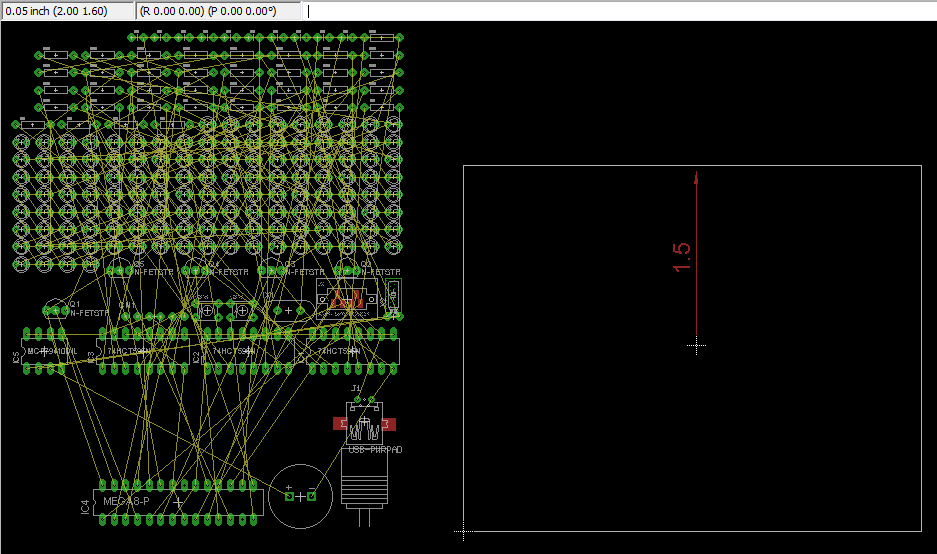
Delete the existing board (.brd) file to start with an empty PCB created from the schematic. We shall take (2.00, 1.60) to be the centre of the circle, as shown. Eagle 6 introduced a dimensioning tool, used here to show the radius of the circle (1.5″) – handy but not a must.
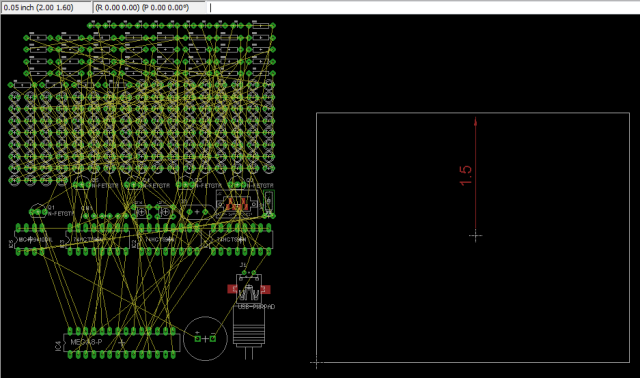
Ringo3 empty PCB layout

The circular layout ULP has 3 main sections: (i) parts selection, (ii) layout options, and (iii) circle centre point & radius. For parts, enter D for prefix and 1 to 60 and click the Filter button to select components D1 – D60 for layout. The handy table shows you the currently selected list of components. Enter 2 and 1.6 for the circle centre X, Y values that have been identified. The radius has been marked by the dimensioning tool as 1.5. The layout direction is “Clockwise” and we want to place D1 at the top “12 o’clock” position. Click the Do Layout button, and OK to start the layout.
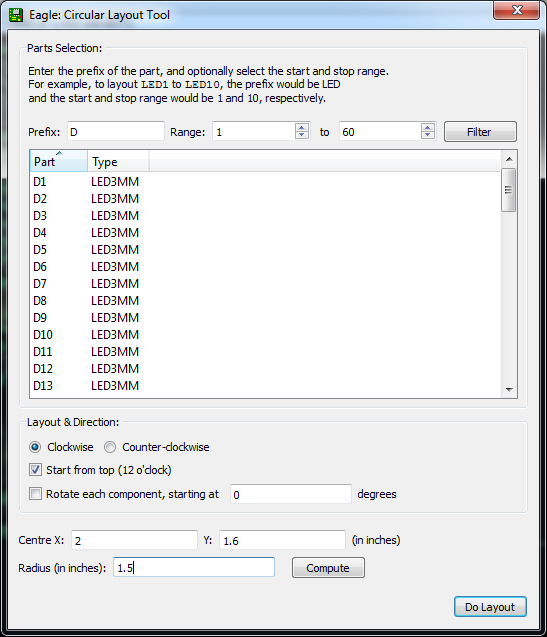
Circular Layout Settings

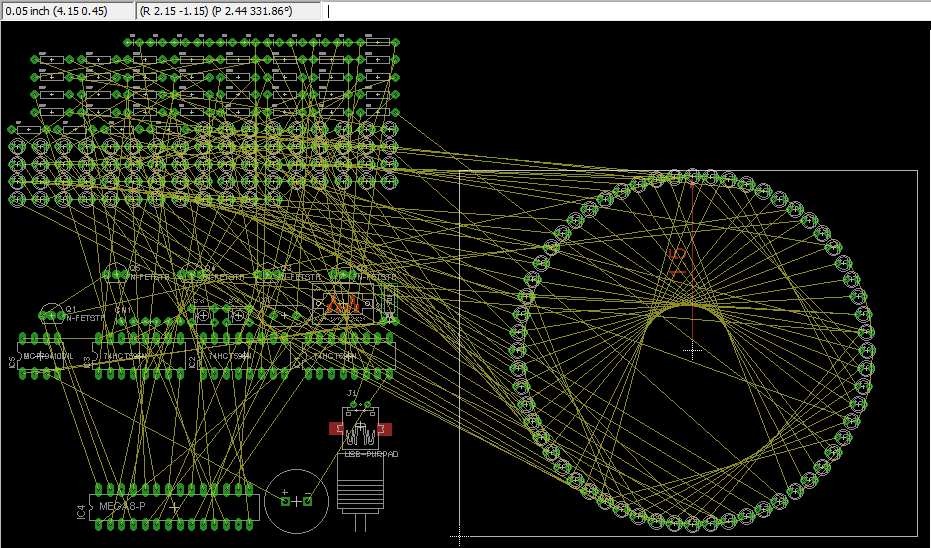
You should see the components move into place as shown in the next figure.
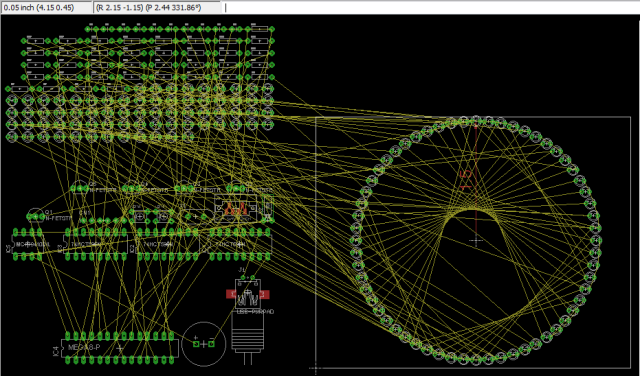
Ringo3 PCB with laid out LEDs D1 - D60

If you make a mistake, you can always just hit Undo or hold down Ctrl+Z until all the components were back at their original positions.

Continue reading

Apple’s Lightning Digital AV Adapter

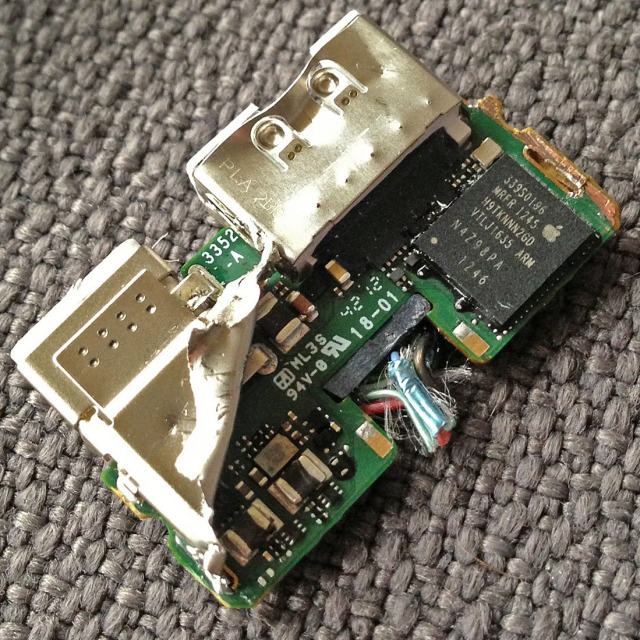
Recently, Panic noticed the odd output resolution and MPEG-like artifacts with the new Lightning digital AV adapter and decided to take a hacksaw to it. They found an ARM processor inside.

Lightning digital AV adapter

image credit: Panic blog

Shortly after, they received an anonymous comment that explains it all:

The reason why this adapter exists is because Lightning is simply not capable of streaming a “raw” HDMI signal across the cable. Lightning is a serial bus. There is no clever wire multiplexing involved. […] We did this to specifically shift the complexity of the “adapter” bit into the adapter itself, leaving the host hardware free of any concerns in regards to what was hanging off the other end of the Lightning cable.

This system essentially allows us to output to any device on the planet, irregardless of the endpoint bus (HDMI, DisplayPort, and any future inventions) by simply producing the relevant adapter that plugs into the Lightning port. Since the iOS device doesn’t care about the hardware hanging off the other end, you don’t need a new iPad or iPhone when a new A/V connector hits the market.

While I understand what they are trying to achieve, I think it’s sad that this new Lightning system can no longer carry the uncompressed HDMI output. Maybe they could have streamed the raw video output in a format close to what HDMI expects, then have the adapter add headers and trailers to the data, but that would still be tricky since the system needs to stop sending frames while the adapter is doing its work. And what about HDCP?

Just one of the many tradeoffs that engineers need to make.

Hacking Functionality into ASUSWRT Routers

This weekend, I spent some time to replace my aged Linksys WRT54G wireless router, which is running DD-WRT. The WRT54G is slow by today’s wireless standards and since I sync my iOS devices wirelessly, the speed was getting quite unbearable. When I bought my Macbook Pro in 2007, it already has draft 802.11n support and fast-forward to 2012, my iPad (1st generation) and iPhone 5 both support the 5GHz band.

The ASUS RT-N56U wireless router ranks up there on wireless performance, and the “feature” I was really after was a router that can run an alternative firmware such as Tomato or DD-WRT. The really good news is, I figured out how to get the functionality I wanted while still using the official ASUS firmware.

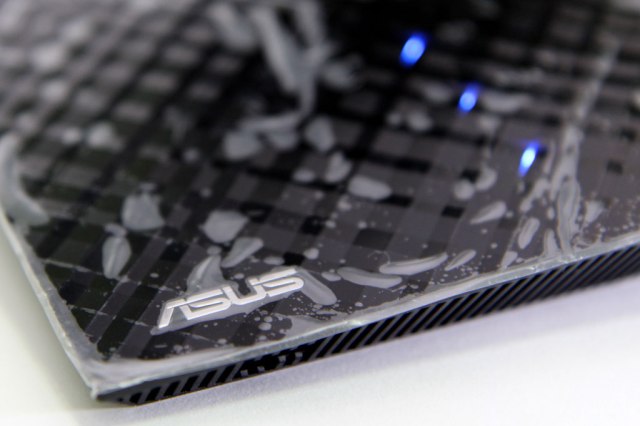
ASUS router photo

For proper reviews and better photos, you might want to check out these other reviews:

Read on to find my short review, as well as how you can run your own programs on the router without using a third-party firmware.

Continue reading