A very long time ago, I set up and played around with diskless machines. These are basically PCs can boot up an operating system fully without hard disks. All the operating system files come from a server on the network. It was amazing (well, to me at least)!
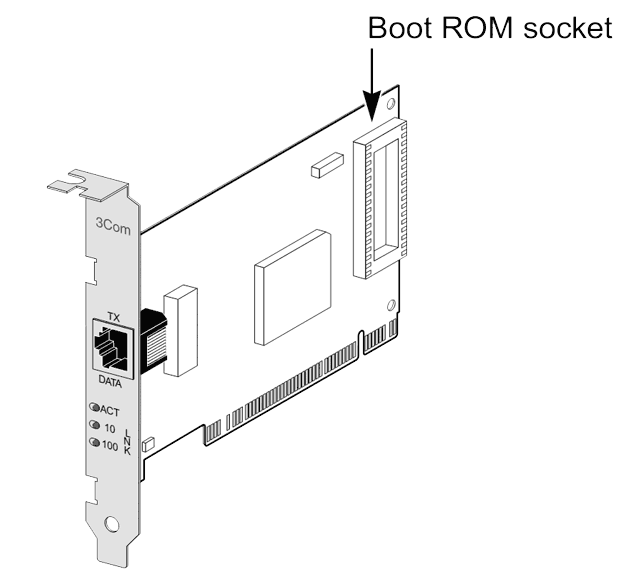
Back then, Ethernet cards used to have a DIP/PLCC socket, which allowed you to insert an EEPROM on which you burn a boot ROM. Fortunately I didn’t have to do any of that because the network cards at that time already came with PXE ROMs built-in, just as they do today. To activate this, you just need to select the network card’s option ROM in the boot order, or make it higher up in the boot priority.
As part of the boot process, the network card will request an address from the DHCP server, which also tells the client where it can find the TFTP server with the next boot stage. The ROM will download this file from the TFTP server and start executing it.
That’s how Linux ultimately gets started from the network.
An announcement was made recently on the Raspberry Pi blog that you can achieve total network boot, just like on the PC, without any SD cards.


 irq5.io